
Cruelty-Free Isn’t a Perfect Label — But Dismissing It Misses the Point
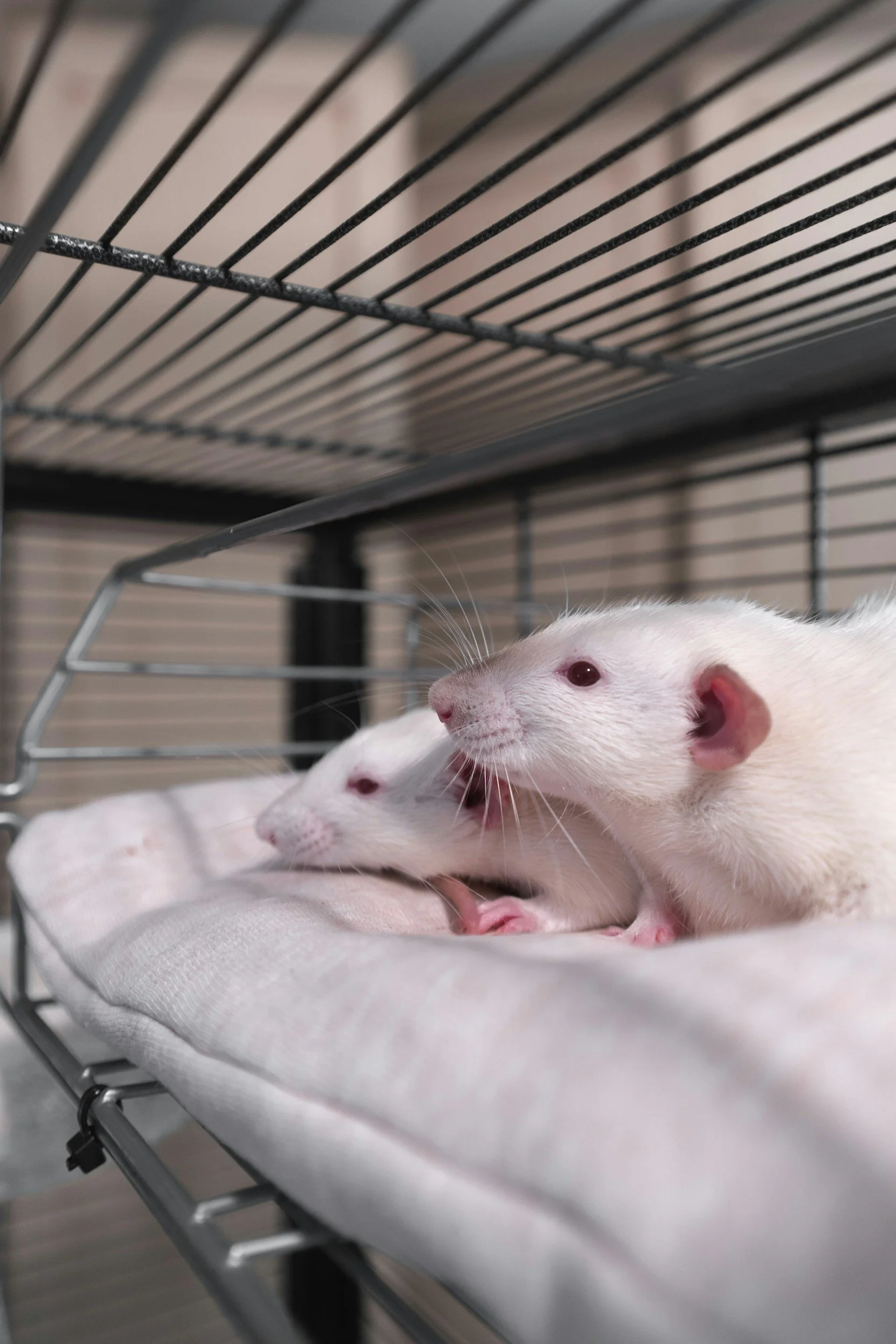
Cruelty-free beauty is hardly a new conversation. What feels newer, though, is the growing desire to frame “cruelty-free” itself as a kind of red flag.
It’s not that I disagree with every part of the conversation. “Cruelty free” is certainly imperfect.
No, it is not consistently regulated across many parts of the world.
Yes, it is sometimes bundled into broader marketing language that can imply products are somehow safer, cleaner, or less “toxic.”
Yes, the beauty industry may be ahead of some other industries in moving away from animal testing.
But no, that does not exempt the industry from scrutiny.
Yes, the beauty industry absolutely has a problem with pseudoscience and fear-based marketing — particularly within “clean beauty.”
But no, the cruelty free community is not a monolith, and flattening it into an anti-science stereotype feels just as reductive.
Let’s acknowledge that beauty industry marketing, more broadly, is tricky for the average consumer.
In the past on my social media, I’ve previously discussed murky marketing tactics and the confusion around terms like “clinically tested,” “scientifically proven,” and “dermatologist recommended” (just to name a few). As someone who spent more than a decade in corporate marketing before becoming a trichologist, this is a particular sticking point for me.
But this isn’t just about beauty buzzwords — it’s also about how easily marketing language borrows from legitimate scientific and medical conversations in ways that can become misleading.
For example, we’re now seeing brands like Redken positioning products within conversations around GLP-1–related hair thinning. On the surface, this creates an implied connection to a very real and complex physiological issue. But GLP-1–associated hair shedding is a systemic, internal response in the body — not something that can be meaningfully “treated” with topical cosmetic at this time.
On top of that, there has been a steady stream of class-action lawsuits over the years against major beauty brands related to false or misleading advertising claims.
You can start to see how this creates an environment of confusion — and, understandably, skepticism.
Let’s also widen the lens around the broader state of animal testing and animal welfare protections in the US.
A lot of consumer skepticism doesn’t come out of nowhere. Animal welfare legislation in the United States has historically been inconsistent, and enforcement has not always been especially strong or transparent. There’s already a baseline level of distrust when it comes to how animals are treated in industrial and commercial systems — including research settings.
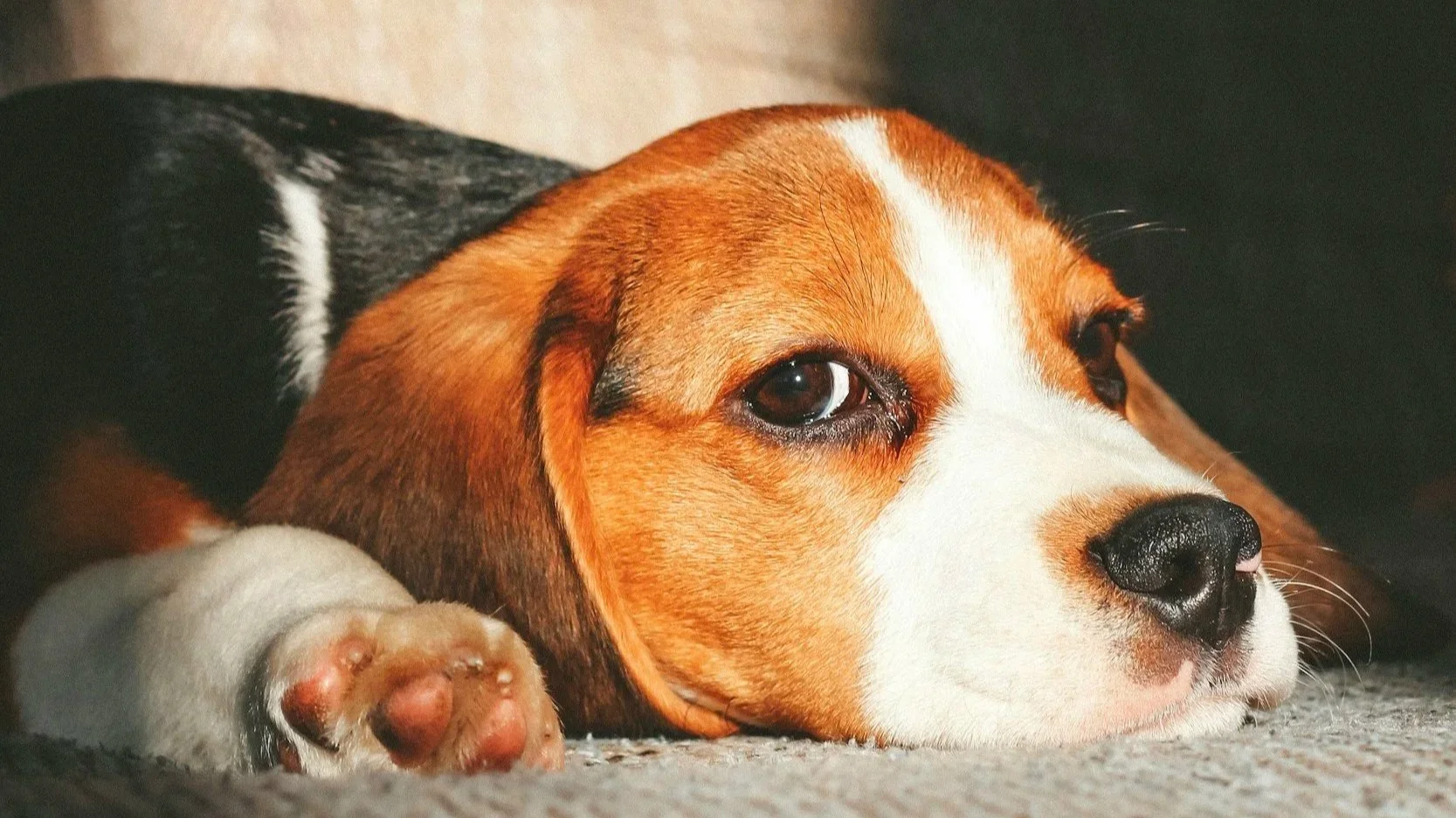
Take the recent Ridglan Farms beagle situation, for example. Through court testimony, it was revealed that approximately 2,000 beagles were housed in inhumane conditions, abused, and subjected to painful medical procedures without anesthesia or pain management.
While Ridglan is a biomedical research facility — not a cosmetics testing facility — broader context like this still matters. It helps explain why many consumers seek out reassurance and validation around what the companies they support are actually doing behind the scenes.
Now let’s level on the current cruelty-free discourse.
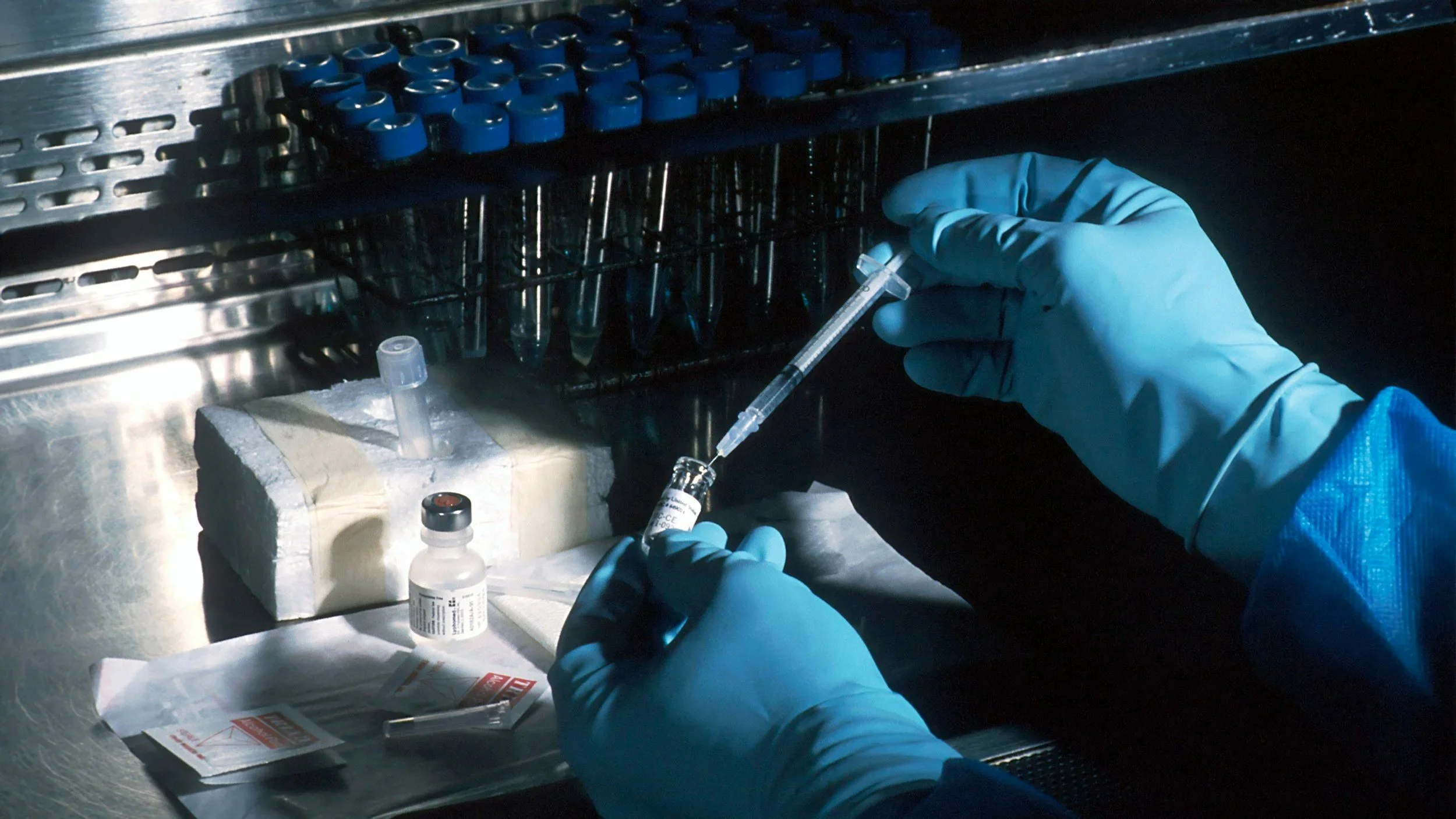
Recently, some people in the scientific community and beauty industry have become more vocal in taking the stance that those who care about cruelty-free are kind of “missing the point,” because animal testing for cosmetics largely no longer occurs in the US. And when the conversation turns to the animal testing that still takes place in China (evolving, but still happening), some are now positioning large beauty brands as part of the solution rather than the problem.
And sure — I think there’s some validity to that. Large corporations like L'Oréal do have the money and infrastructure to invest in alternatives, and sometimes progress does happen through those channels.
However, these are still massive global companies making multifactorial decisions inside highly competitive markets. If animal testing is required in a certain region to sell products, companies are ultimately choosing whether or not to participate in that market — and those decisions are never fully untethered from revenue. And for some consumers, that reality meaningfully shapes how they decide where they want their money to go. Whether people agree with that line of thinking or not, it’s ultimately an ethical consideration as much as a scientific one.
There’s also a separate piece of the conversation around whether ingredients that were tested on animals historically, but are still used in modern formulations, should factor into cruelty-free standards today.
Personally, I don’t necessarily disagree that the use of legacy ingredients should automatically preclude a product or company from being considered cruelty-free. But others might — and I think that alone illustrates why we cannot talk about the cruelty-free community as though it’s a single, unified belief system.

Let’s not pretend this is simple.
Some people who buy cruelty-free are vegetarian or vegan. Some are simply uncomfortable giving their dollars to beauty companies who do participate in markets where animal testing still occurs. Some overlap heavily with “clean beauty” culture, while others actively reject large parts of it.
Even within scientific and medical communities, there are disagreements around ethics, acceptable tradeoffs, regulation, consumer communication, and how emerging evidence should be interpreted. We generally understand that “science-minded” people are not a single, unified worldview. The same complexity exists within cruelty-free communities too.
My hope is simply that we can step back from the binary framing these conversations are so often reduced to online. The reality, as it so often is, is far more grey than black and white. There is space for nuance here — for holding both scientific and ethical perspectives with a little more care, and a little less haste to categorize.
